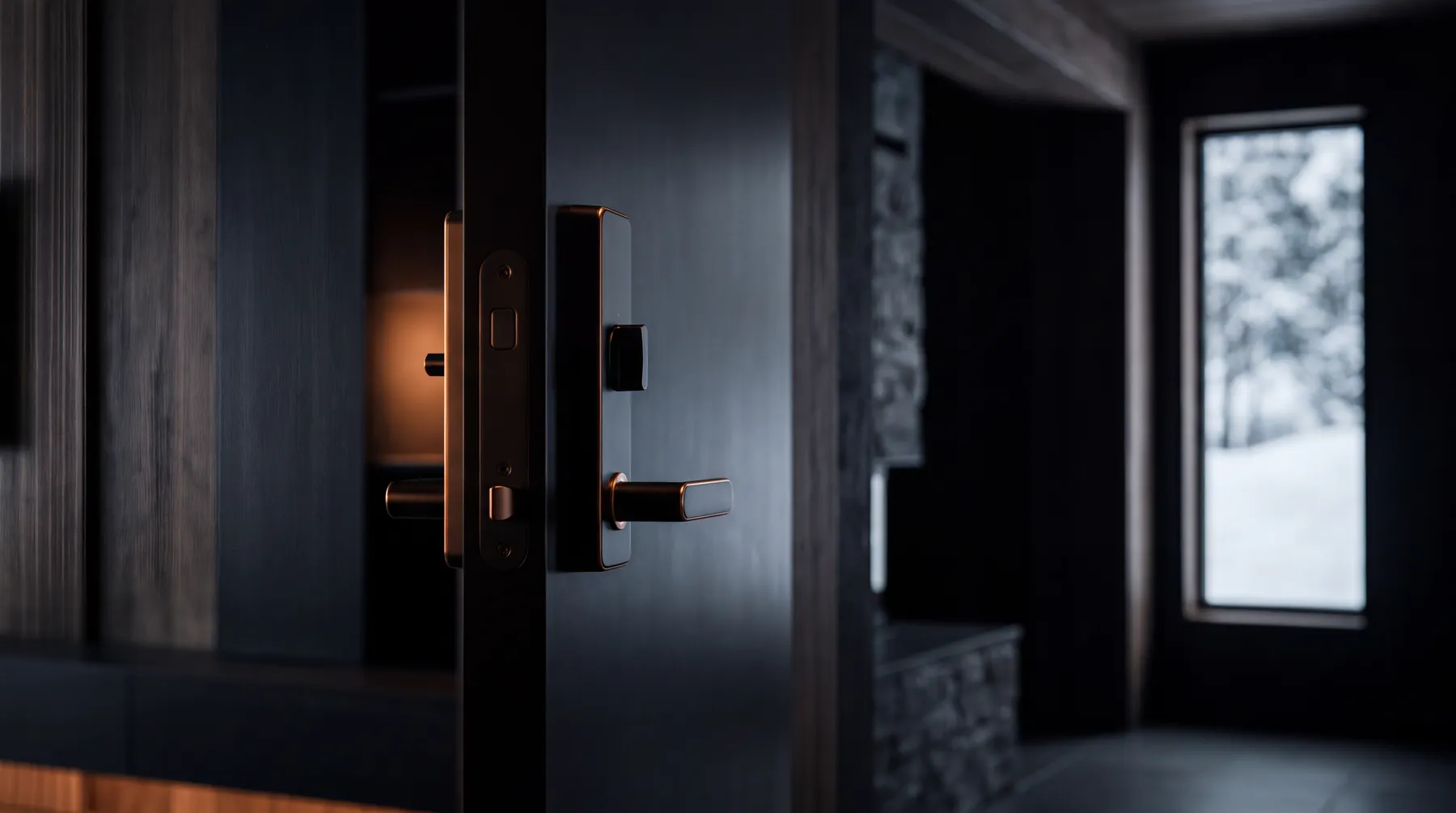
Smart Locks, Explained: What Works for Owners, Renters and Canadian Winters
Retrofit vs full-replacement locks, keypads, Wi-Fi, batteries in the cold, and how to check your door before you buy.
This guide contains Amazon.ca affiliate links. As an Amazon Associate, Threshold earns from qualifying purchases, at no extra cost to you. Details
A smart lock is one of the most noticeable upgrades you can make to a home. You stop hunting for keys, you can let in a dog walker from work, and you get a notification when the kids get home. But the lock that suits a homeowner and the lock that suits a renter are very different products.
Start here: can you replace the deadbolt?
This single question decides most of your options.
- Yes (you own the home): a full-replacement lock like the Schlage Encode or Yale Assure Lock 2 replaces your entire deadbolt with a keypad outside and smart hardware inside.
- No (you rent): a retrofit lock like the August Wi-Fi Smart Lock clamps over the inside thumb-turn of your existing deadbolt. The outside, and your landlord's key, stay exactly the same, and it comes off cleanly when you move.
Keypad, app, or both?
A keypad is the feature people end up loving most. No phone needed, and you can hand out temporary codes to guests or trades. App control adds remote locking, activity logs and auto-lock. Built-in Wi-Fi locks connect directly to your router. Others use Bluetooth, or a small bridge plugged into an outlet near the door for remote access.
Check your door before you order
- Door thickness: most locks list a supported range. Unusually thick or thin doors may need an adapter kit.
- Backset: the distance from the door's edge to the centre of the lock hole, usually 2-3/8" or 2-3/4". Many locks support both.
- Alignment: if you have to push or pull the door to throw the bolt now, a motorised lock will struggle. Adjust the strike plate first.
Batteries and Canadian winters
Smart locks run on batteries, usually AA. Cold is hard on alkaline cells, so lithium AAs are a smart upgrade on exterior doors that take direct winter exposure. You'll get low-battery warnings for weeks before anything fails, and most locks keep a physical key or emergency power contacts as a backup. Don't throw your keys away.
While you're at the door
The door is also where a lot of your heat escapes. Worn weatherstripping and a gap at the threshold let cold air pour in all winter. A draft stopper costs little and makes an immediate difference. If you want to see who's there, a video doorbell rounds out the upgrade. Some store clips locally with no subscription; others, like Ring, need a plan to save recordings.
The bottom line
Owners: get a full-replacement lock with a keypad. Renters: get a retrofit lock that keeps the outside unchanged. Either way, measure the door, fix any sticking bolt first, and use lithium batteries if the lock faces the weather.
Keep reading.
How to Choose Your First Cordless Drill (and Not Regret It)
Voltage, brushless motors, drill vs impact driver, and why you're really buying a battery platform. A plain-English guide to your most important tool.
Read the guide
The Weekend Bathroom Refresh: Five Upgrades, No Contractor
A new shower head, fresh caulk, a bidet, a quieter fan and better light. A step-by-step plan to make a tired bathroom feel new in two days.
Read the guide